CHIWUNDURA – The Anglican Diocese of Central Zimbabwe has come up with multi-million dollar
projects that will transform the lives of people in the Midlands province.
The church is setting up a US$5 million solar plant in Chiwundura, 23km from Gweru. It is currently
constructing a top class high school in Gokwe. The church recently commissioned a mortuary at St
Patrick’s Hospital with a carrying capacity of nine bodies.
The Anglican Diocese of Central Zimbabwe Bishop Ignatius Makumbe said they are now mobilising
resources for the feasibility studies of the solar project, which will be upgraded to a 10 megawatt
plant in an effort to arrest the power crisis at the mission.
It is the only church in Zimbabwe to come with a solar plant project which will also contribute energy
to the national grid, create employment and generate income for the church’s income generating
projects.
“We are planning to have a five megawatt solar plant at our farm. We have done everything
required and we have a certificate from ZERA and we are now looking for funding partners who can
partner us to fund this project.
“As we are doing the feasibility studies, it’s not everywhere in Zimbabwe where you can generate
power commercially. We are very fortunate by God’s grace that where our farm is, it’s very
conducive, it’s one of the best places for solar power generation at commercial level,” he said.
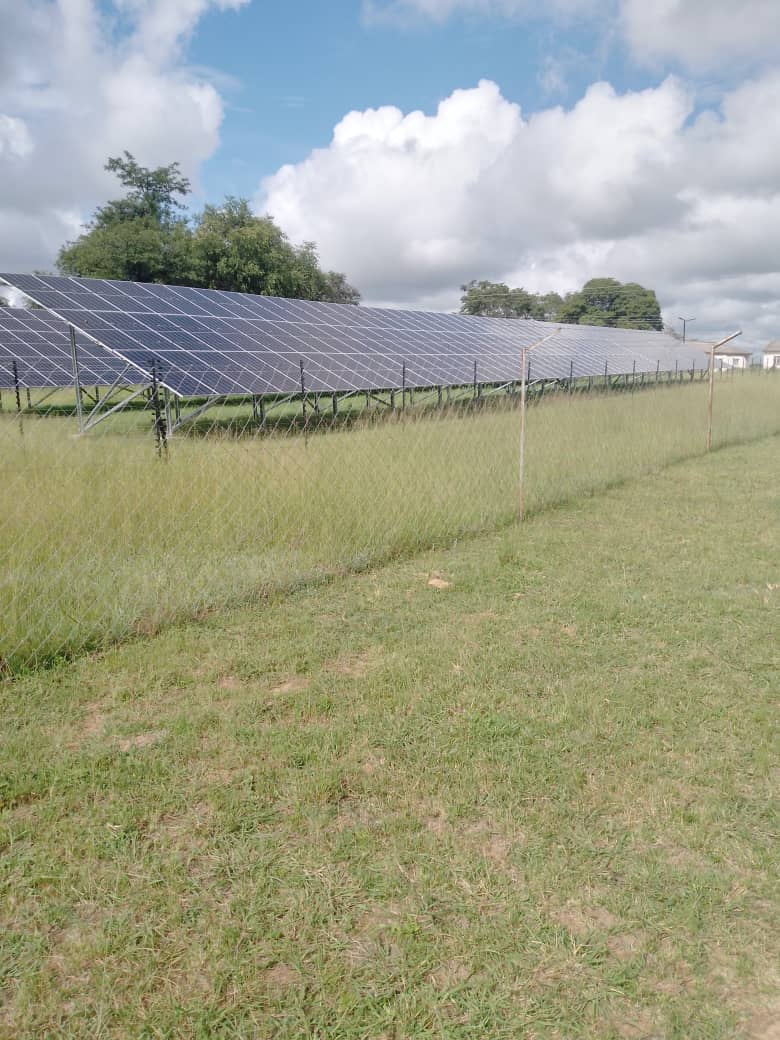
So far the church has commissioned a 157kw solar plant at 701 hectare St Patrick’s farm which, will
backup electricity needs of the hospital, primary and high schools as well as the mortuary which has
been facing electricity challenges.
Government has opened up funding for solar projects and the church, through its private limited
company called Exceeding Great has partnered with a local company Tatanga Energy to form a
company called TEGS.
Bishop Makumbe said last week, they had a meeting with the first bidder for feasibility studies which
will take three months, while power generation will commence after eight months.
Bishop Makumbe revealed that the solar project will be implemented in phases.
“The first phase is to satisfy the mission (St Patrick’s) and the hospital electricity needs. The other
phase is looking at the surrounding communities and evacuating excess electricity into the national
grid. So the church is making a contribution to the National Development Strategy (NDS 1),” he said.
This project won an opportunity in the region and competed for funding with other companies in
Africa, unfortunately the funders went for companies setting up bigger solar plants.