
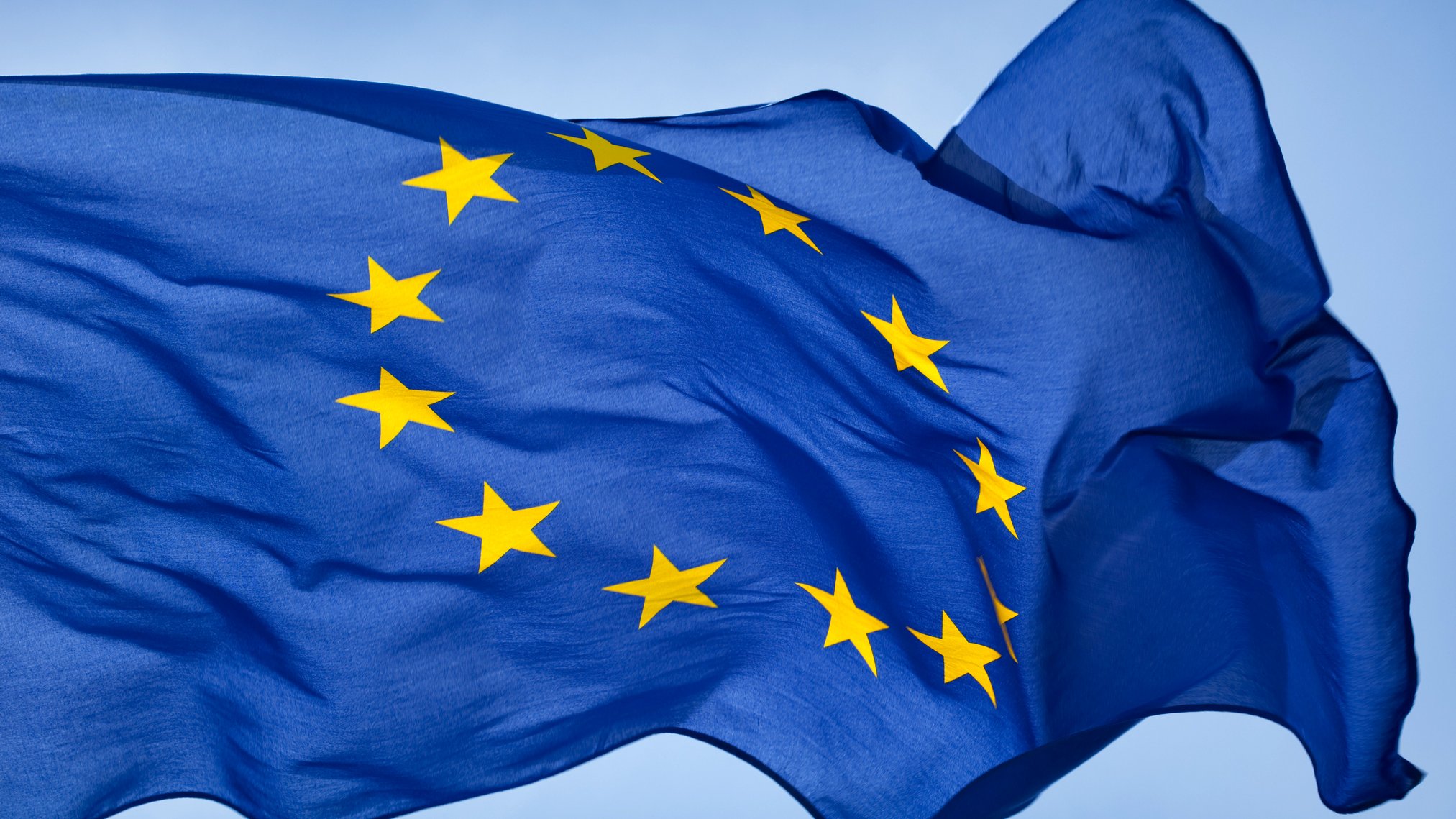
The European Union (EU) will keep backing Zimbabwe’s biodiversity and wildlife conservation as a pathway to sustainable development, incoming Head of Delegation of the EU, Ambassador Katrin Hagemann said on Monday, after talks with the Minister of Environment, Climate and Wildlife, Dr. Evelyn Ndlovu on priority funding requirements for 2026.
Hagemann said the EU wants to help Zimbabwe advance the United Nations Sustainable Development Goals through what it calls “green, sustainable and inclusive growth.”
She linked EU support for biodiversity and human-wildlife co-existence to rural livelihoods, climate resilience, and long-term economic stability. The ambassador also pointed to EU-backed regional conservation efforts in transfrontier conservation landscapes.
Conservation specialists warn that biodiversity loss and intensifying climate pressures can quickly undermine food security and rural jobs. Against that backdrop, the EU said its 2026 package for Zimbabwe, spanning wildlife protection, climate-smart agriculture, and renewable energy—aims to reduce human-wildlife conflict while strengthening resilience
The EU’s 2026 priorities in Zimbabwe include, among others, a US$40 million pledge for biodiversity and wildlife conservation targeting reducing human-wildlife conflict and promoting co-existence between communities and wildlife.
A €2.8 million NaturAfrica project in Chimanimani district in Manicaland Province will run from January 2026 to January 2029 to strengthen biodiversity conservation and cross-border cooperation in the Chimanimani transfrontier conservation area, implemented with partners including Fauna & Flora International and BirdLife Zimbabwe.
The €1 million grant for Hwange–Matetsi–Zambezi landscape protection focusing on anti-poaching, ranger capacity, and human-wildlife conflict mitigation.
A €26 million financing green economy and agriculture agreement fund, Agri-Value Chain Support, including horticulture, small grains, and renewable energy development tied to agricultural value chains.
Ambassador Hagemann said the EU also links conservation and natural capital protection to regional energy and development priorities, including programmes connected to the Kavango Zambezi Transfrontier (KAZA) landscape.
Dr. Ndlovu said the discussions with Hagemann centred on benefit-driven natural resources management, with a particular emphasis on climate financing and interventions designed to improve resilience during drought and other climate shocks.
“These include Climate-Smart Agriculture with projects focusing on climate financing to enhance resilience through drought-resistant crops and water management systems to mitigate climate shocks,” Ndlovu said.
She also said the officials discussed renewable energy support and how it can help agriculture adapt to climate risks.
Hagemann pointed to a pipeline of EU-backed work connecting renewable energy to agricultural productivity. The EU co-hosts RE4Agri 2026, scheduled for June 16-18, 2026, in Harare, with the goal of linking renewable power investment to agricultural resilience and “agri-value chains.”
The EU also said it will continue supporting non-governmental organisations and civil society to implement biodiversity and natural resource management projects, including in the Mid Zambezi and South East Lowveld regions, where conservation and community livelihoods often intersect.
New Ziana