

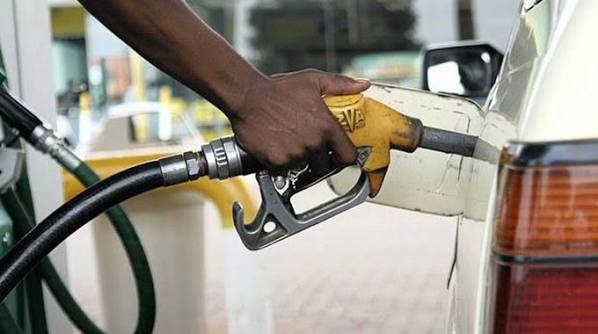
Zimbabwe has recorded yet another fuel price adjustment, marking the third increase within a month as authorities respond to mounting global cost pressures.
The latest price review, effective 2 April 2026, follows earlier adjustments implemented on 4 March and 18 March.
In its latest notice, Zimbabwe Energy Regulatory Authority (ZERA) announced that petrol is now selling at US$2.23 per litre, while diesel is priced at US$2.11 per litre.
This represents an increase from the mid-March review, when petrol was pegged at US$2.17 and diesel at US$2.05 per litre.
ZERA said the government has taken deliberate steps to shield consumers – particularly key economic sectors – from steeper diesel costs.
Without intervention, diesel prices could have surged significantly higher.
“Measures implemented include the removal of taxes and levies amounting to US$0.54 per litre, effectively keeping the pump price at US$2.11 instead of a projected US$2.65,” read part of the notice.
While diesel has been heavily subsidized through tax relief, petrol continues to carry a substantial tax component, estimated at around 86 cents per litre.
ZERA indicated that the government remains actively engaged in ensuring stable fuel supplies across the country.
Current reserves are sufficient, ZERA said, with more than three months’ worth of petroleum products available within the supply chain, including stocks from Beira and inland storage facilities.
“Efforts are also underway to diversify fuel import routes, particularly in response to disruptions linked to ongoing tensions in the Middle East.
We are working with oil trading companies to secure alternative supply lines and minimize potential shortages,” ZERA said.
Despite these interventions, ZERA noted that global price pressures continue to weigh heavily on the domestic market.
Since the previous review, international Free on Board (FOB) prices for diesel have surged by over 33 percent, while petrol prices have risen by nearly 6 percent.
As a result, the regulator has maintained a policy of reviewing fuel prices every two weeks to prevent supply imbalances and arbitrage.
Government entities, including Petrotrade and National Oil Infrastructure Company, have been tasked with ensuring that fuel distribution reaches all parts of the country, particularly remote areas that are often vulnerable to shortages.
Looking ahead, there are indications that petrol prices could ease in the next review cycle. This is expected to coincide with the resumption of ethanol production and an increase in fuel blending to E20, a move projected to reduce petrol costs by approximately 18 cents per litre.
In a further effort to stabilize supply, the government has also authorized the importation of diesel by road with immediate effect, complementing existing pipeline and rail transportation systems.
New Ziana