Maphisa, (New Ziana)- Government has reaffirmed its commitment to inclusive development and youth empowerment, with the Children’s Party at this year’s 46th Independence celebrations emerging as a powerful symbol of the country’s devolution and decentralisation agenda.
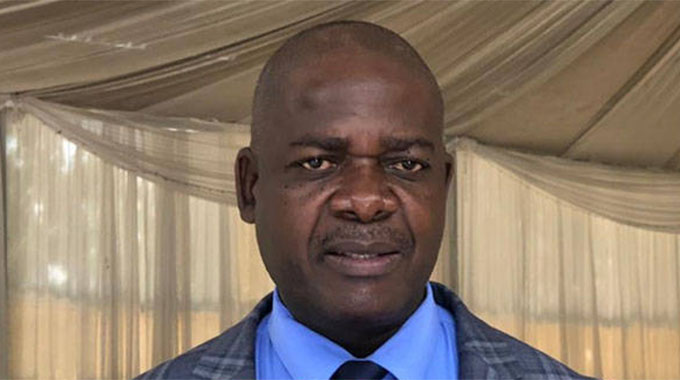
Speaking at the annual Children’s Party held at Mahetse primary school in Maphisa on Friday, Minister of Primary and Secondary Education, Torerai Moyo said the gathering underscored efforts to ensure that the benefits of independence reach every part of Zimbabwe.
“This Children’s Party underscores the government’s commitment to the devolution and decentralisation agenda, ensuring that the fruits of independence reach every corner of the nation, leaving no one and no place behind,” he said.
The event brought together 3,050 child delegates drawn from all the country’s 10 provinces, selected through a rigorous process that prioritised academic excellence, leadership potential, and geographical representation.
Minister Moyo said the learners are key beneficiaries of the heritage-based curriculum, which is designed to equip young people with skills to solve local challenges through innovation grounded in Zimbabwean values.
“They (children) are the primary beneficiaries of the heritage-based curriculum, which emphasises technological innovation and heritage-based learning to solve local challenges,” he said.
Moyo added that the Children’s Party is not only a celebration of Zimbabwe’s independence but also a reaffirmation of the country’s commitment to nurturing future generations.
“Today, we are not only celebrating the country’s freedom and sovereignty, but also reaffirming our unwavering commitment to building a brighter future for our children, who are the true custodians of our nation’s legacy,” he said.
He emphasised that young people were already playing an active role in national development, echoing sentiments by late nationalist Joshua Nkomo that the future lies in those who understand the country’s history and value peace.
“By bringing these children to Matobo, we are anchoring their identity in the soil of their forefathers, allowing them to draw inspiration from the resilience of our people,” he said.
The delegates include representatives from the Junior Parliament, Junior Councils, and the Child President, with equal representation of boys and girls from across provinces. Matabeleland South, as the host province, contributed 2,000 learners drawn from its seven districts, alongside participants set to take part in mass displays and national ceremonies.
Moyo said the diversity of the delegates reflects Zimbabwe’s unity as enshrined in the Constitution, where different languages and cultures form “a single unbreakable national fabric.
He said the children gathered in Maphisa stand as “young ambassadors” of the nation, embodying its hopes and aspirations.
“They are confident, determined, and ready to learn, to lead, and to safeguard the sovereignty and future of our great motherland,” he said.
The Children’s Party is a key feature of the country’s Independence Day commemorations, running parallel to the main celebrations.
It was introduced to instil patriotism, leadership values, and national identity among schoolchildren, while providing a platform for interaction with national leaders.
Over the years, the event has evolved into a national showcase of youth talent, cultural diversity, and educational progress, aligning with government’s efforts to promote inclusive development and youth participation under the devolution framework.
This year’s hosting of the event in Matobo District by government reflects a deliberate policy shift to rotate national events across provinces, ensuring equitable development and visibility for marginalised regions.
New Ziana