Antony Chawagarira
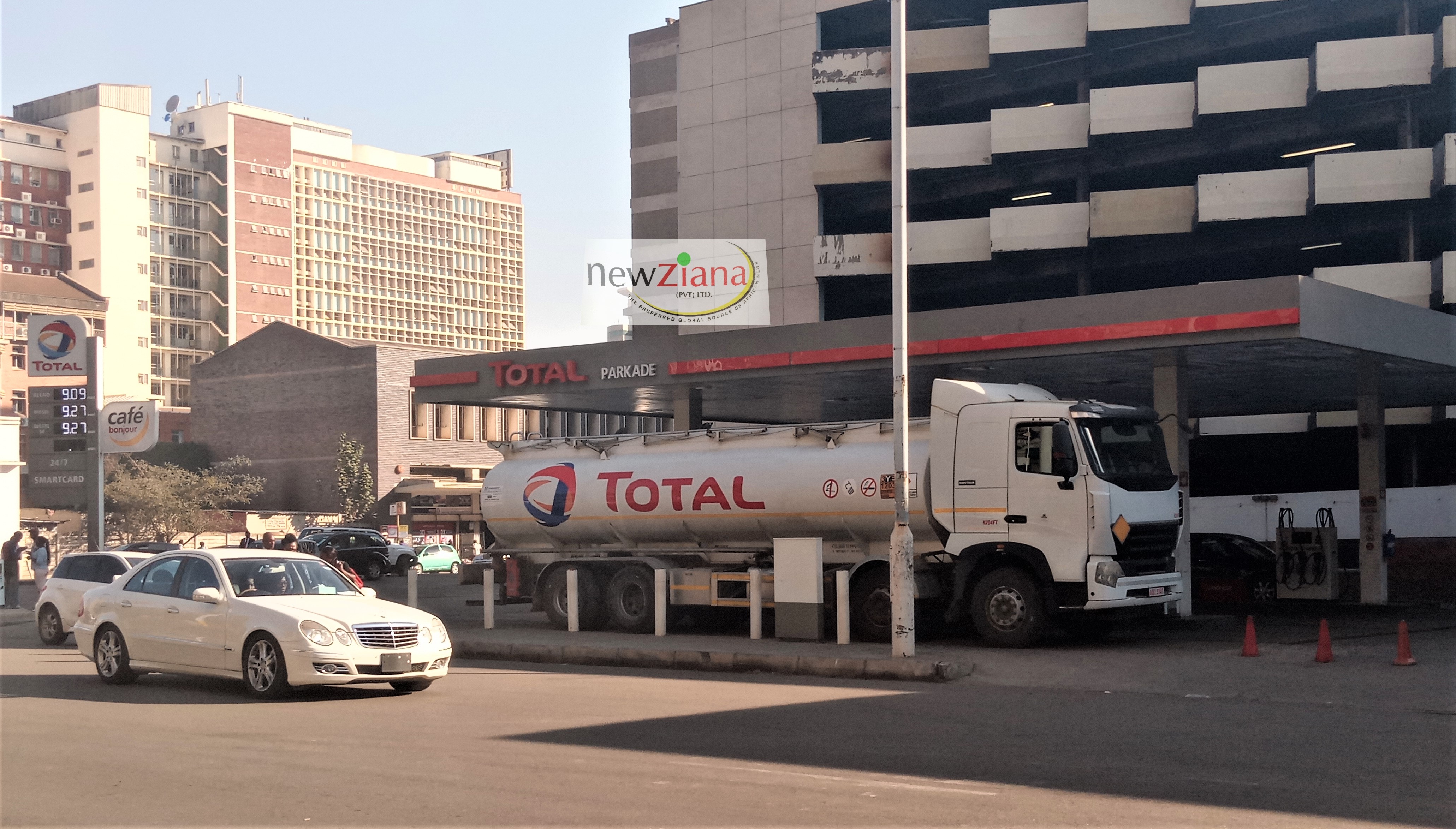
The Government has temporarily removed all taxes on diesel in a move aimed at cushioning citizens and industry from rising global fuel prices.
Finance, Economic Development and Investment Promotion Minister Mthuli Ncube said the measure, which takes effect from April 3, 2026, will see the price of diesel dropping by approximately US$0.54 per litre following the suspension of key levies including excise duty, carbon tax, ZINARA road levy and the strategic reserve levy.
The intervention comes at a time when international oil prices have surged due to geopolitical tensions in the Middle East, a development that has significantly pushed up the cost of fuel imports for Zimbabwe.In a statement, Prof. Ncube said the Government had taken a “bold and unprecedented” step to protect both consumers and productive sectors from the ripple effects of escalating fuel prices.
“This measure is expected to cushion businesses from escalating operating costs, stabilise prices of basic goods and services, anchor inflation expectations and support ongoing economic growth and recovery momentum,” he said.
In a separate statement, Zera said the new pump price of diesel as of Friday will be $2.11 a litre while that of petrol will be $2.23 a litre. In increasing the price, Zera assured the public that there are enough stocks of petroleum products in the supply chain starting from Beira and inland storage facilities with more than three months’ supply.
To ensure that the country will not experience fuel shortages due to the attack on Iran by the United States and Israel, Zera said the government is opening up supply routes not affected by the conflict in the Middle East.
There is hope that the price of petrol which has gone up from $1.54/litre since the beginning of the conflict to $2.23/litre will drop in the net review when blending of ethanol increases.
Diesel is a critical input in key sectors of the economy, including transport, agriculture, mining and manufacturing. The reduction in its cost is therefore expected to ease production and distribution expenses, which often translate into high prices for consumers.
Economic analysts say the move could bring temporary relief to ordinary Zimbabweans, particularly in transport costs and food prices, as diesel powers most haulage and public service vehicles. However, the Government acknowledged that the decision comes at a cost, describing it as a “deliberate and significant fiscal sacrifice” taken in the national interest to protect economic stability.
While the removal of taxes is expected to provide immediate relief, its success will largely depend on whether fuel retailers and transport operators pass on the benefits to consumers.
Authorities have indicated that the measure is temporary and will be reviewed in line with developments on the global oil market. The announcement underscores Government’s continued efforts to shield the economy from external shocks while maintaining stability in the face of global uncertainties.