
MATOBO – Residents in Matobo District have voiced support for the proposed Constitutional Amendment No. 3, linking their endorsement to ongoing legacy infrastructure projects they say are transforming lives and require continuity for completion.
A recent visit to the district ahead of the country’s 46th Independence celebrations revealed widespread development across key sectors, with government accelerating projects under the legacy programme in Maphisa and surrounding areas.
Major infrastructure upgrades are underway, including the rehabilitation of roads linking Maphisa to Bulawayo and Gwanda, which had long posed challenges for local communities.
Health, education and sports facilities are also being modernised, alongside improvements to aviation infrastructure such as the Matobo airstrip.
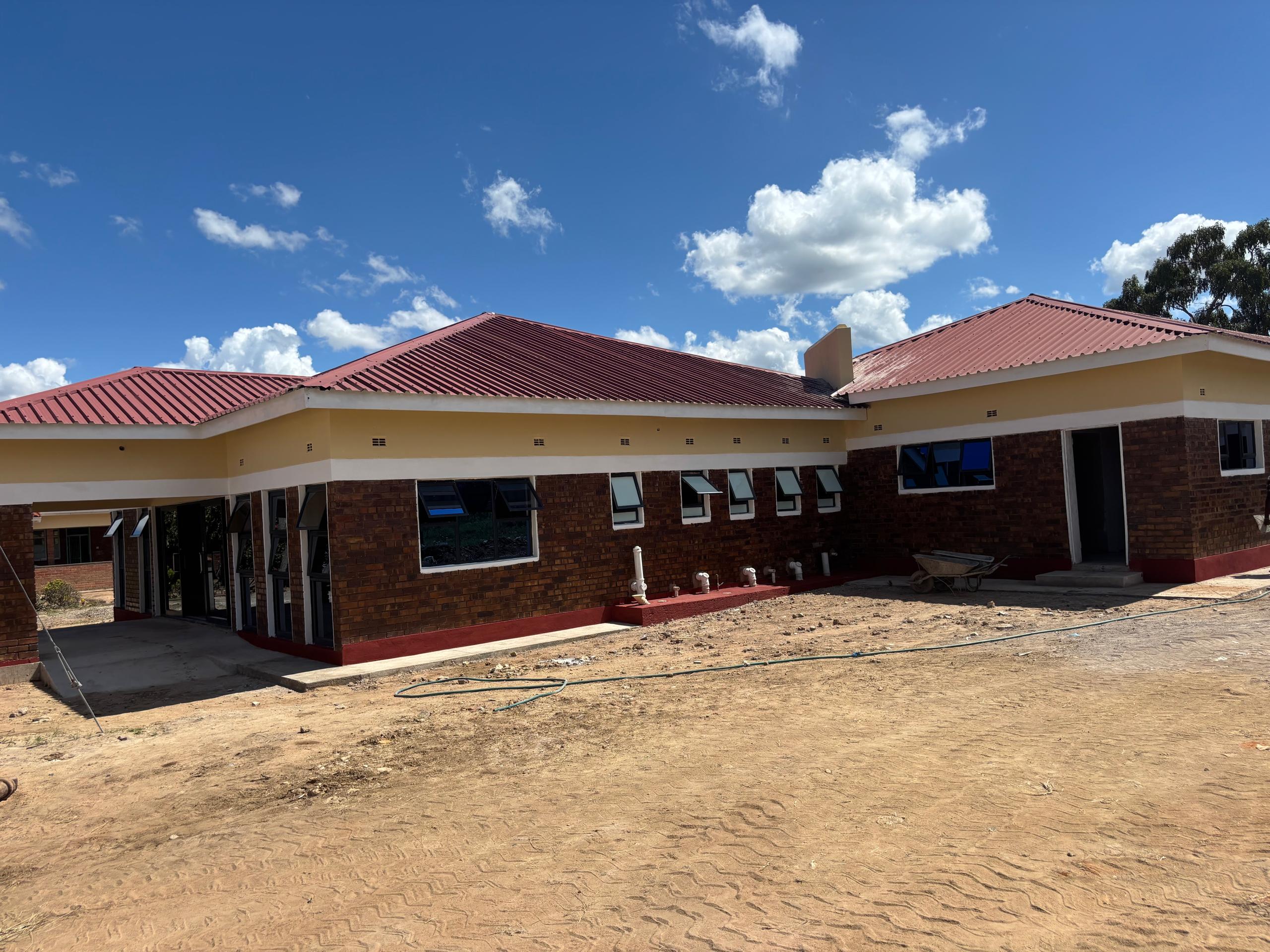
Significant progress has been recorded at Kezi Rural Hospital, a critical health institution established in 1948 that serves a catchment population of over 9 000 people.
The facility, which had deteriorated due to termite damage to its roofing structure, is now being upgraded to enhance access to quality healthcare.
In the education sector, schools such as Mahetse Primary and Secondary are undergoing refurbishment, a move expected to improve learning conditions and boost enrolment.
Meanwhile, a state-of-the-art stadium and an arts centre are nearing completion, signalling a broader push to develop community and cultural infrastructure.
The projects form part of government’s legacy initiatives tied to the Independence celebrations, but residents say their impact extends far beyond the commemorations.
Speaking during interviews, villagers expressed appreciation for the developments, while calling for policy stability to ensure their completion.
Siphiso Mafu, a resident of Matobo, said the rehabilitation of roads has already begun to ease long-standing transport challenges.
“We are happy that the roads are being upgraded and our lives will improve. Our wish is to see continuity of such projects, and we believe stability will allow them to be completed,” she said.
Another resident, Otillia Ncube from Ward 11, said the projects have created employment opportunities, particularly for young people, while contributing to a reduction in crime.
“We support these developmental initiatives because they are creating jobs in our communities. Many youths are now employed, and this has improved livelihoods,” she said.
Eighty-two-year-old Tom Dube, a lifelong resident of Kezi, described the current wave of development as unprecedented.
“Since independence in 1980, I have never witnessed this level of infrastructure development in our area. We are grateful for the progress being made,” he said.
Residents linked their support for the proposed Constitutional Amendment No. 3 to the need for sustained development momentum.
The Bill, currently under public consultation, proposes a number of governance changes, including extending presidential and parliamentary terms from five to seven years, altering the presidential election process, increasing the number of appointed senators, and restructuring certain constitutional commissions.
Locals argue that extending terms would allow government and elected officials more time to implement long-term development programmes without disruption.
As legacy projects continue to reshape Matobo District, the intersection between infrastructure development and governance reforms has become a central theme in public discourse, with communities increasingly tying constitutional changes to the pace and continuity of national development initiatives in their communities.
New Ziana