

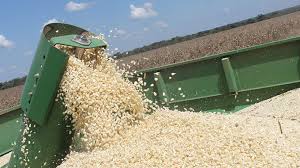
Harare, (New Ziana) — The country has recorded a significant decline in maize imports, with figures showing a 72 percent drop, marking a major milestone in local production and agricultural revival in general, the government has said.
Posting on its National Development Strategy 2 (NDS2) handle, the government said the increase in local maize production and delivery was a huge macroeconomic success, particularly in view of volatility in the global grain markets due to shifting climate patterns and geopolitical tensions.
“A 72% drop in maize imports is a significant macroeconomic win, especially considering how volatile global grain markets and climate patterns have been lately.
By pivoting toward Import Substitution Industrialization (ISI), Zimbabwe isn’t just balancing its books; it’s effectively building a “buffer” against external shocks like geopolitical shifts and supply chain disruptions, the government said.
In just two months, the country is estimated to have saved approximately US$55 million that would otherwise have been spent on maize imports.
Economists note that this preservation of foreign currency provides critical fiscal space for the government and central bank to redirect resources toward key sectors such as infrastructure development and technology acquisition.
“This is not just about reducing imports; it’s about strengthening the entire domestic value chain. The benefits ripple across the economy, from farmers and millers to transport and logistics operators, creating jobs and retaining capital within the country,” the government said.
The import substitution drive has also enhanced Zimbabwe’s food sovereignty, reducing reliance on external suppliers, particularly from traditionally dominant grain-exporting regions.
This shift is expected to cushion the country against unpredictable global disruptions, including supply chain breakdowns and so-called “black swan” events.
From a trade perspective, the decline in imports contributes positively to Zimbabwe’s balance of trade, as reduced import expenditure improves net exports and supports overall gross domestic product growth.
Experts caution, however, that sustaining these gains will depend on maintaining competitive and efficient local production systems.
While the progress is notable, attention is now turning to long-term sustainability, particularly in the face of climate change. Agricultural experts stress that continued success will depend on strengthening climate-resilient farming practices.
Key priorities include expanding irrigation infrastructure to reduce dependence on erratic rainfall, investing in drought-resistant seed technologies, and improving post-harvest storage systems to minimise losses during bumper harvests.
“The current gains are encouraging, but they must be consolidated through strategic investment and innovation,” said a senior agricultural official. “Climate resilience is no longer optional—it is central to food security.”
As Zimbabwe builds on this momentum, stakeholders are increasingly focusing on identifying and scaling up the local agricultural programmes and initiatives that have driven the recent surge in maize production, with hopes of replicating the success across other key crops.
New Ziana