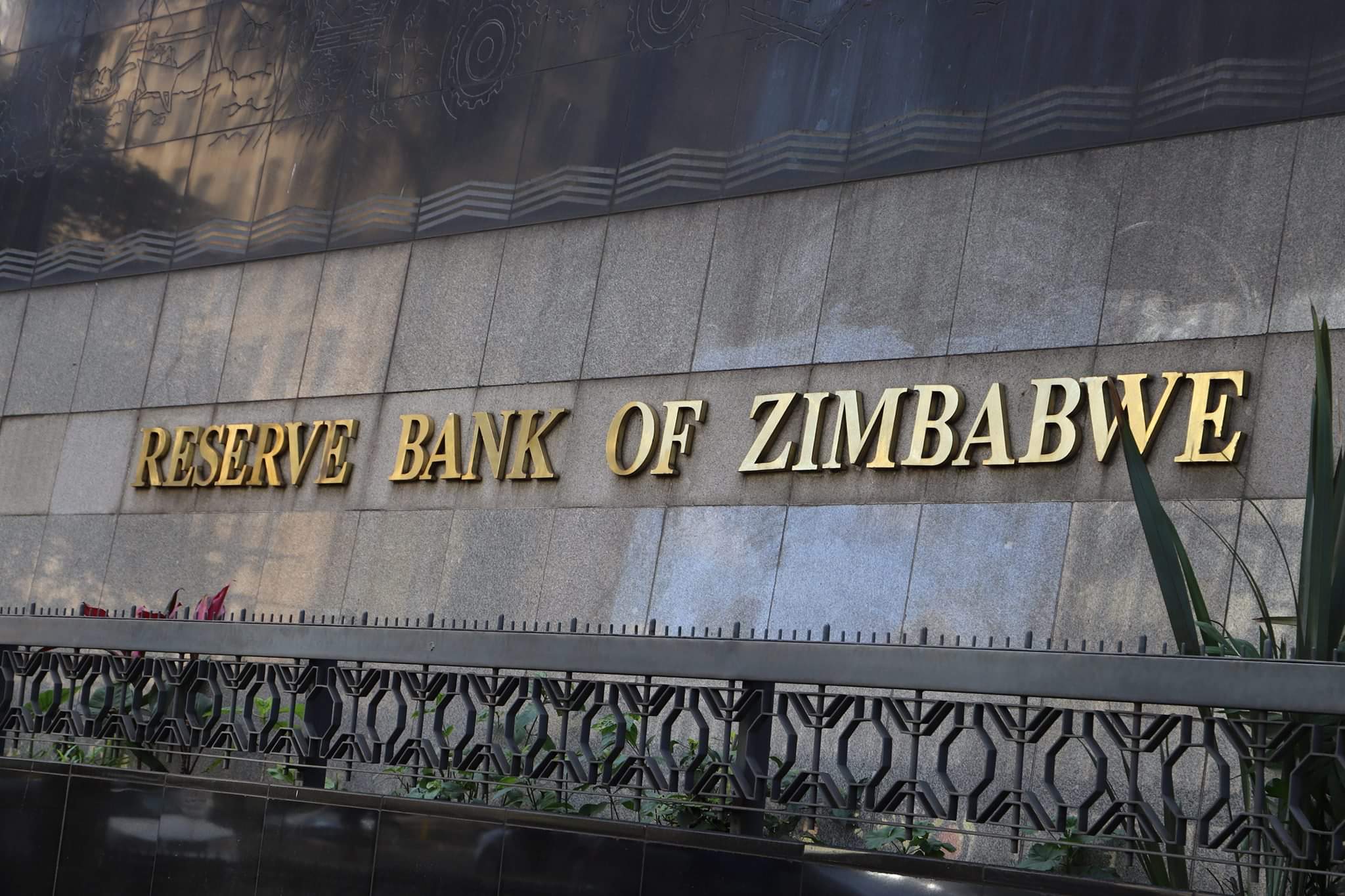


Harare, (New Ziana) – The financial performance of the Mutapa Investment Fund (MIF) last year reflects the strength of its balance sheet and the effectiveness of its ongoing restructuring efforts across its investment portfolio, an official has said.
At the entity level, the Fund posted a surplus after tax of US$21.7 million for the year ended 31 December last year, up from US$3.6 million in 2024.
The Mutapa Investment Fund (MIF),formerly the Sovereign Wealth Fund of Zimbabwe, is a state-owned sovereign wealth fund established to manage Zimbabwe’s strategic investments and promote sustainable economic growth.
Established in 2014 under the Sovereign Wealth Fund of Zimbabwe Act, it was renamed in September 2023 through Statutory Instrument 156 of 2023, and named after the historical Mutapa Empire, a major Shona state in Southern Africa founded by Nyatsimba Mutota, covering modern Zimbabwe, Mozambique, and parts of neighboring countries and known for its gold wealth and trade with the Portuguese/Swahili.
The fund manages a portfolio of over 30 state-owned enterprises (SOEs) across sectors including mining, energy, infrastructure, financial services, and agriculture, with a mission to create generational wealth and support the national vision to become an upper-middle-income society by 2030.
Presenting the MIF audited financial statements for the year ended 31 December 2025 on Thursday, chief executive officer John Mangudya said the strong performance was underpinned by dividend income of US$23.3 million as well as management and advisory fees totalling US$26.6 million from investee companies.
The Fund’s total comprehensive income rose significantly to US$1.4 billion, largely driven by substantial fair value gains on its asset base.
“These financial statements reflected the Fund’s performance, financial position, and cash flows during a year marked by consolidation and institutional strengthening in line with the Fund’s FIRE (Fix, Invigorate, Reinforce, and Extract) strategy, which is aligned with the National Development Strategy 2 (NDS2) and Vision 2030.
“The year under review represents an important phase in the Fund’s evolution. Following the full operationalisation of the Fund and the vesting of the Government’s commercial assets in MIF, 2025 was focused on embedding governance frameworks, strengthening oversight mechanisms, and transitioning from diagnostic assessment to structured portfolio intervention and execution,” Mangudya said.
The domestic operating environment last year remained relatively stable, while the global environment was characterised by geopolitical tensions, softer commodity markets, and rising climate risks.
Mangudya said the conditions directly affected the performance of several entities within the Fund’s portfolio, many of which operate in capital-intensive sectors with long investment cycles.
“Against this backdrop, management adopted a strategic and measured approach, prioritising business continuity, cost discipline, governance stability, and the protection of asset value, while laying the groundwork for longer-term recovery and growth.
“We have seen significant value growth in our mining portfolio as a result of increased commodity prices. Another driver for the valuation gains was the value of land and buildings. The valuation of assets is central to our mandate as a custodian of national wealth, and this outcome reflects the maturation of the comprehensive valuation framework established by the Fund following its establishment in September 2023,” he said.
Total assets closed the year at US$16.5 billion, up from US$14.9 billion in 2024, supported by core investments in subsidiaries amounting to US$16.2 billion, as well as an expanded loan book and a growing marketable securities portfolio.
Mangudya noted that funds and reserves increased to US$15.2 billion, reflecting a strong capital position that provides a solid foundation for future investment activity.
The Fund’s portfolio remains diverse and strategic, encompassing assets in mining, energy, infrastructure, telecommunications, logistics, agriculture, industrials, financial services, and real estate.
A significant portion of these assets, however, carries legacy operational, financial, and governance challenges that require patient capital, restructuring, and institutional reform.
“During the year under review, management focused on supporting portfolio company boards and management teams in stabilising operations and addressing immediate operational risks, enhancing governance, reporting, and accountability frameworks across the portfolio, facilitating restructuring, recapitalisation, and partnership initiatives where these were assessed to be in the best long-term interests of the assets and the shareholder, and improving performance monitoring through more consistent financial and operational reporting.
“Against this backdrop, the year also saw important strides in strengthening governance and operational oversight across the Fund’s portfolio. The Fund advanced the restructuring of its mineral asset portfolio, transitioning from a conglomerate model to a more targeted, commodity-focused operating structure,” Mangudya said.
New Ziana