By Mvelo Mthiyane Zondo in Matobo
The National AIDS Council (NAC) has intensified its HIV prevention and awareness campaigns across Matabeleland South Province as part of efforts to help end HIV and AIDS by 2030.
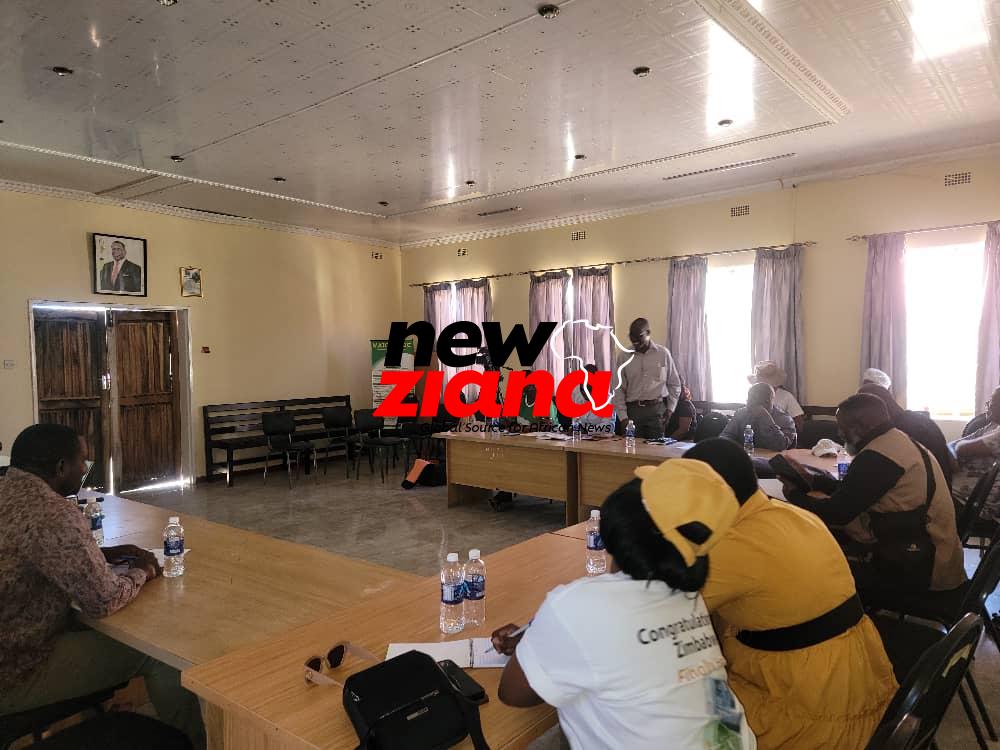
Speaking during a five-day media tour that began in Matobo District on Monday, NAC provincial manager Mgcini Sibanda said the initiative is aimed at showcasing and evaluating HIV intervention programmes being implemented in communities and border areas considered high-risk.
The tour commenced with a briefing at the Matobo Rural District Council offices before journalists visited various intervention sites in the Ratanyana community.
Sibanda said the first two days of the programme would focus on Matobo District, while the remaining three days would be conducted in Beitbridge, one of southern Africa’s busiest border towns.
He added that NAC was working closely with the media to raise awareness and promote targeted HIV prevention strategies at community level.
“This is a very important programme for us because we appreciate the role played by the media in disseminating information. We want journalists to witness the interventions taking place on the ground,” said Sibanda.
He noted that HIV prevalence rates in most districts within the province remain higher than the national average, making it necessary to strengthen awareness campaigns and intervention programmes.
Sibanda identified low uptake of HIV testing among men as one of the major challenges affecting efforts to curb new infections.
“Our biggest challenge is that men are still reluctant to get tested. We therefore need to intensify programmes that encourage them to know their status,” he said.
He said NAC had entered the first year of its 2026 strategic plan, which seeks to build on achievements made in previous years while consolidating gains in HIV prevention and treatment.
As part of the media engagement programme, journalists are expected to cover several community-based initiatives, including the Sister-to-Sister programme for adolescent girls and young women, visits to remote clinics, and peer-led interventions such as Brotha2Brotha.
The programmes are specifically designed to reduce HIV infections in hotspot areas such as Beitbridge and Matobo’s mining communities.