
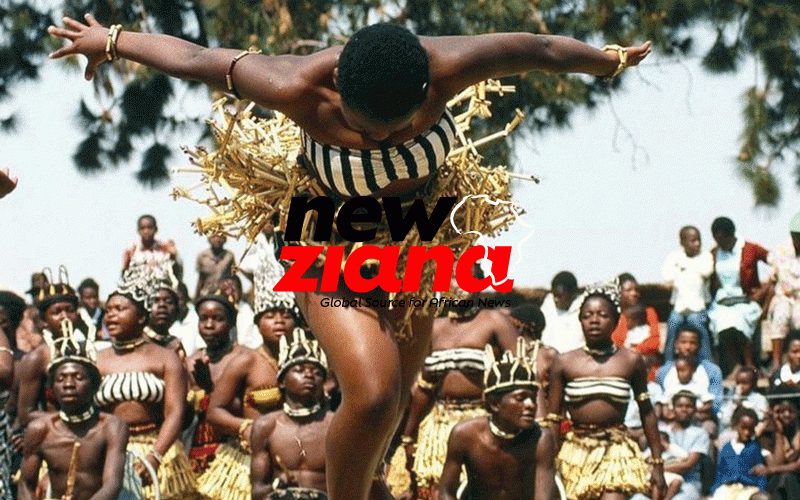
Harare, (New Ziana) – Zimbabwe joins the rest of the world in commemorating National Culture Month this month, with celebrations scheduled across all ten provinces marked by showcases of rich heritage, diverse traditions, and vibrant traditions.
The annual commemorations are anchored on the World Day of Cultural Diversity for Dialogue and Development, which is observed globally on May 21. The day was proclaimed by UNESCO in 2001 following the adoption of the Universal Declaration on Cultural Diversity.
Announcing the programme for the upcoming celebrations, the Minister of Sports, Recreation, Arts and Culture, Ansleem Sanyatwe, said the celebrations would honour Zimbabwe’s cultural heritage while promoting creativity and national identity.
“It is with great pride and a profound sense of national duty that we officially launch the 2026 National Culture Month celebrations, which will be observed throughout May across the country,” said Sanyatwe.
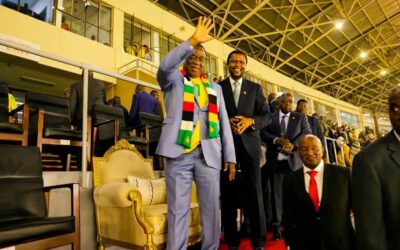
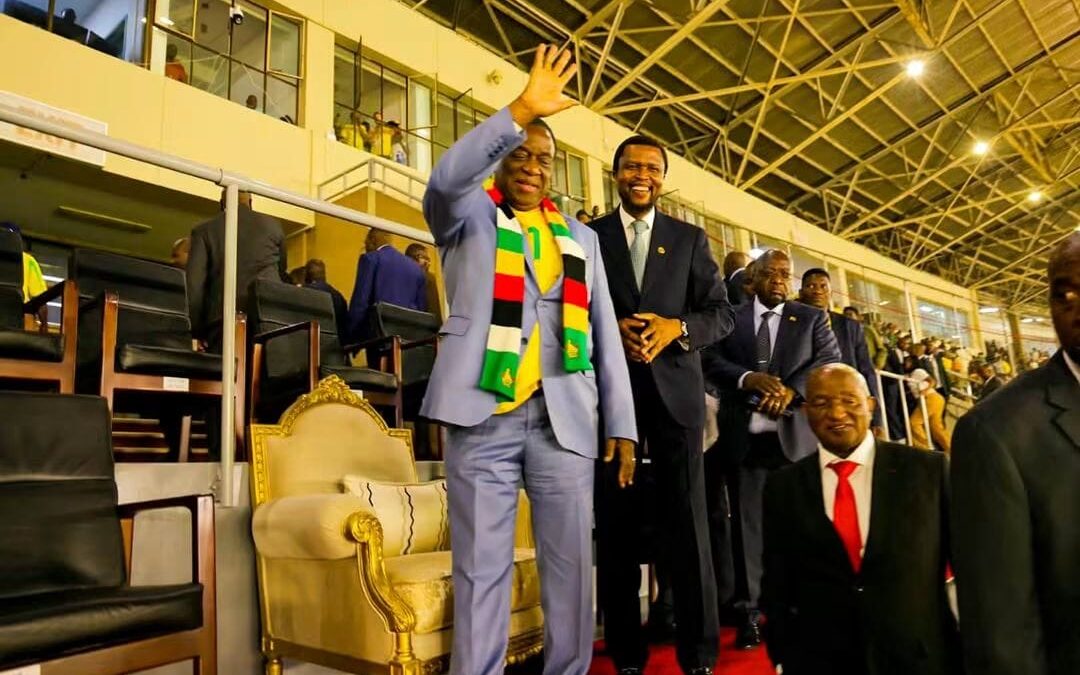
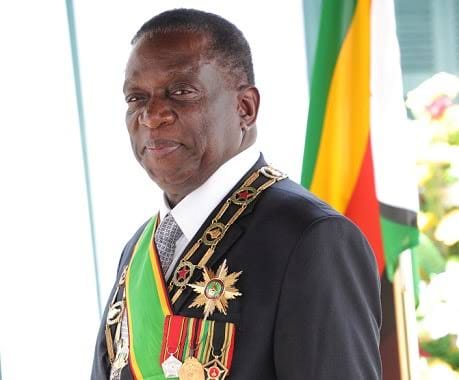
This year’s main commemorations will be held at Barbourfields Stadium in Bulawayo on May 21 and will be presided over by President Emmerson Mnangagwa.
Sanyatwe said the President’s continued support for culture as a pillar of national development had inspired efforts to preserve and promote Zimbabwean identity in a rapidly changing global environment.
The 2026 commemorations are being held under the theme: ‘Creativity and Diversity: Advancing Vision 2030 through Cultural Expressions.’
According to Sanyatwe, the theme highlights the important role culture plays in fostering unity, preserving heritage, and driving socio-economic transformation.
“The Government views Culture Month not simply as a ceremonial event, but as a strategic platform aligned with the objectives of the National Development Strategy 2 (NDS-2). Through exhibitions, workshops, and community initiatives, the programme seeks to promote skills development, talent identification, and innovation, particularly among young people,” he said.
Sanyatwe added that the celebrations would also contribute to economic growth by positioning the arts and creative industries as important sectors for employment creation, entrepreneurship, and wealth generation.
Throughout May and into June in some provinces, communities across Zimbabwe will host exhibitions, performances, traditional ceremonies, and interactive cultural activities aimed at celebrating the country’s diversity and strengthening social cohesion.
The Government will also recognise the contributions of artists, musicians, dancers, writers, storytellers, and cultural custodians who continue to preserve Zimbabwe’s traditions while inspiring new forms of creative expression.
New Ziana