Nyanga, (New Ziana) – As dusk settles over the rolling hills of Nyanga North, the once-dark silhouette of Kazozo Secondary School now glows faintly in the distance. For the first time, classrooms and teachers’ homes are illuminated by electricity — a sight that has filled the local community with pride and hope.
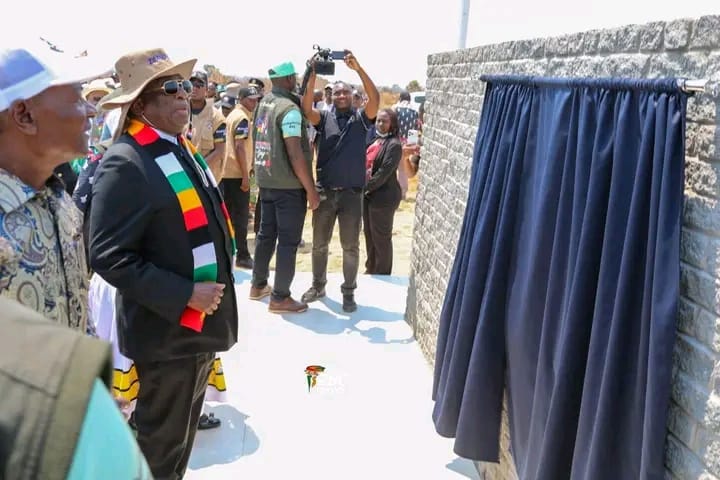
The switching-on ceremony held at the school over the weekend was more than just a flick of a switch. It marked a new chapter in the lives of hundreds of villagers who, for years, have lived without electricity — and a reminder of the shared responsibility to protect the new infrastructure.
Speaking at the event, Energy and Power Development Minister, July Moyo called on traditional leaders to work closely with their communities to safeguard public power equipment from theft and vandalism.
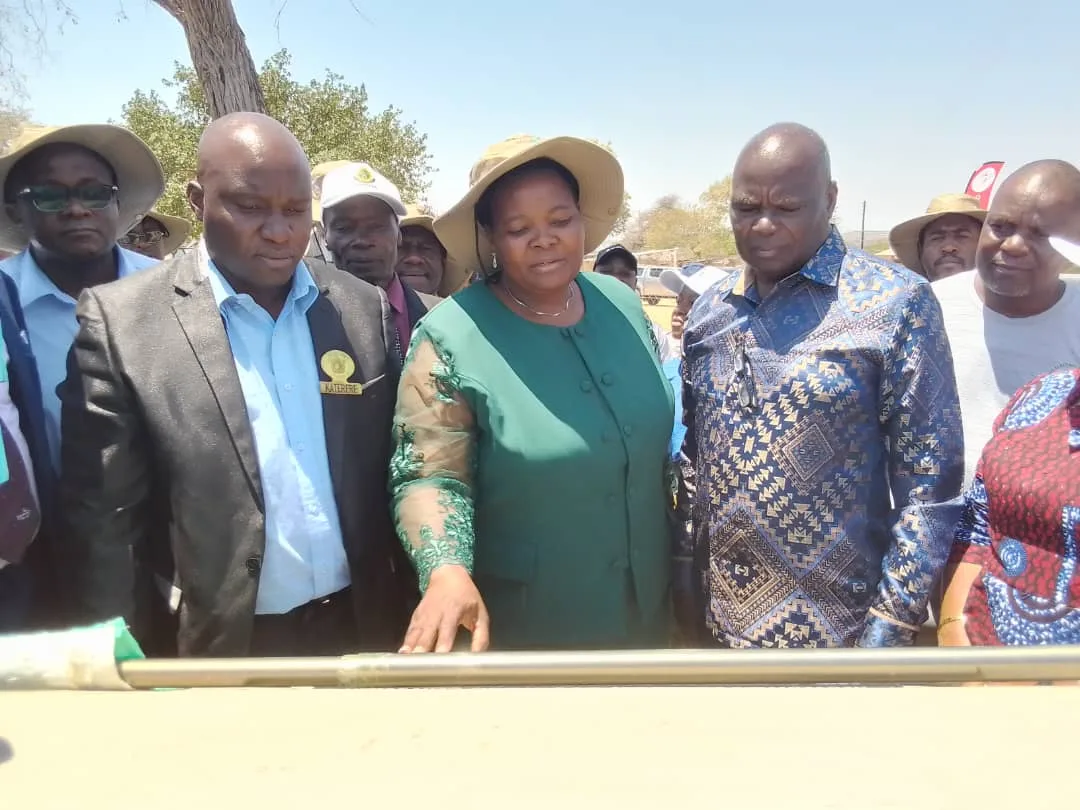
“It is disheartening that some power equipment is being stolen soon after installation, disadvantaging the entire community,” he told local chiefs Katerere and Saunyama. ”This issue is counterproductive. I implore you to find ways to safeguard transformers from being stolen,” he said.
Minister Moyo’s words were underscored by recent incidents in which solar batteries were stolen from a local school and clinic shortly after installation. He directed police to ensure the culprits are brought to justice, warning that such acts undermined national development efforts. But his message was not all cautionary.
He encouraged the newly connected schools and communities to exploit everything opportunity that power had brought. ”To headmasters, make sure you start small irrigation projects at your schools.
“With electricity now available, you can approach Rural Infrastructure Development Agency (RIDA), formerly District Development Fund (DDF) and Zimbabwe National Water Authority (ZINWA) to have boreholes drilled and create income-generating projects,” said Moyo.
At the same ceremony, Rural Electrification Agency (REA) acting chief executive officer, Felisters Makumbinde outlined the scope of the electrification drive under the Fombe Large Anchor Project — a programme that is lighting up schools, clinics, and business centres across Nyanga.
In the first phase, she said, 10.1 kilometres of power lines, two substations, and connections were installed to supply Mangezi and Kazozo schools and business centres at a cost of US$188,000. The second phase added 7.2 kilometres of high-voltage lines, 900 metres of low-voltage lines, and three substations linking Mukunza Primary School, Mukunza Rural Health Centre, and Makunike Business Centre, costing US$130,000 — bringing the total investment to US$318,000. Nationally, REA’s efforts are accelerating rural development.
Between January and September this year, 280 institutions were connected to the national grid, with 170 others nearing completion. Other power sources, such as biogas and solar are also transforming rural schools, clinics, and households. For the people of Kazozo, the change is already visible — and deeply felt. At the newly electrified Kazozo Clinic, Tirivanhu Mugombe beams with relief.
”Women can now give birth at night safely, and medicines that need refrigeration can be stored properly. This is something we’ve been waiting for,” he said. Nearby, at the bustling Kazozo Business Centre, James Dzinoreva, a local welder, says electricity has given him new purpose.
“President Mnangagwa’s mantra of leaving no one and no place behind is real. I can now work freely and even plan to start my own hardware shop,” he said. For parents like Mavis Mukucha, the greatest joy lies in education. ”Our children can now learn computers and study at night. We’re confident their pass rates will improve,” she said.
And for entrepreneurs like Titus Mafarachisi, who runs a grocery shop and bottle store, the benefits are immediate and refreshing. ”I can now sell cold drinks. Business is picking up already,” he said with a grin.
As the ceremony ended and the newly powered buildings gleamed against the twilight, the mood was one of optimism — tempered with a sense of responsibility. For the people of Kazozo, electricity is more than just a convenience; it’s a symbol of connection — to opportunity, to national progress, and to the government’s promise that no one and no place will be left behind.
New Ziana