
Harare, (New Ziana) – The Zimbabwe government has reported notable progress in implementing priority projects under the First 100-Day Cycle for this year, with authorities highlighting economic stabilization gains and momentum in infrastructure, skills development and media modernization.
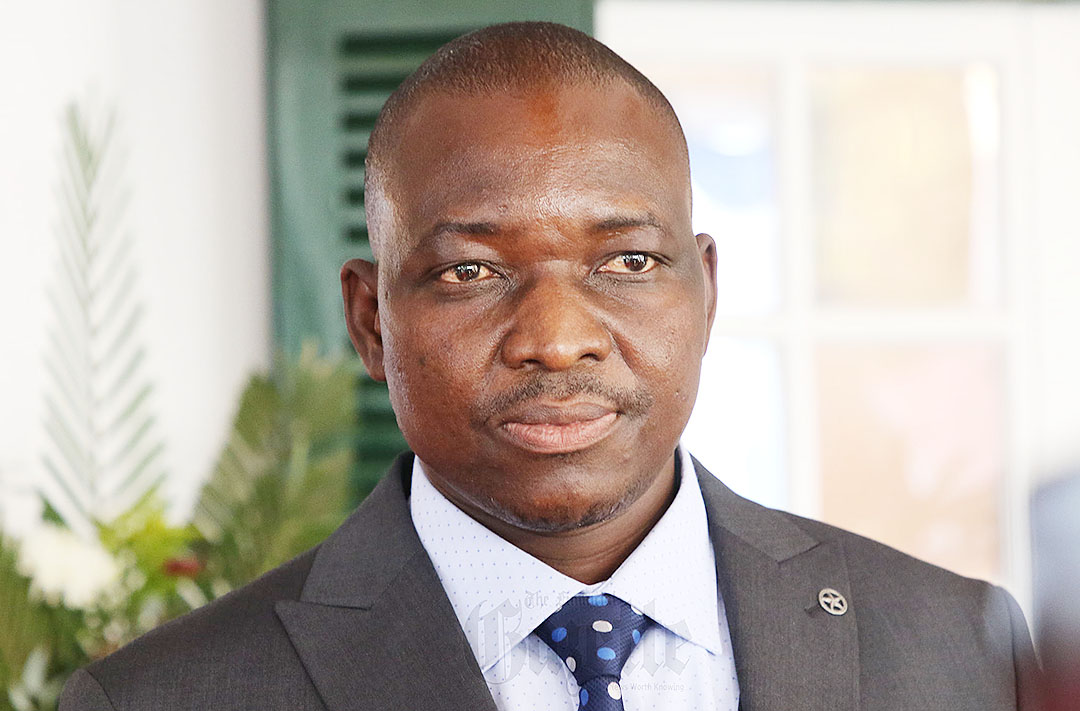
Addressing a post-Cabinet media briefing on Tuesday, Information, Publicity and Broadcasting Services Minister Dr Zhemu Soda said Cabinet had received comprehensive updates from key Ministries overseeing the National Development Strategy 2 (NDS2), with several flagship projects advancing steadily.
On the economic front, Dr Soda said measures to stabilize the economy were beginning to yield tangible results.
“Government has made significant strides in strengthening the purchasing power of the Zimbabwe Gold currency and entrenching its usage, with inflation declining to 3.8 percent by February 2026,” he said.
He added that efforts to widen circulation of the ZiG currency across all denominations, alongside the near completion of the Financial Sector Strategy as well as the operationalization of the International Financial Services Centre, were critical in consolidating macroeconomic stability.
Infrastructure development also featured prominently, with projects such as the ZIMRA Plumtree Drones Operation Area nearing completion at 90 percent, while staff cottages at Forbes Border Post are now 81 percent complete. Housing delivery is progressing, with cluster units in Kadoma underway and over 130 residential stands already serviced in Gwanda.
In the human capital and innovation sector, Dr Soda highlighted ongoing efforts to align skills with national development priorities.
“The Phase 3 Skills Audit in Agriculture is now 30 percent complete, while the Skills Development Policy is awaiting validation by stakeholders,” he said.
Programs targeting employment creation and skills retention are also gaining traction with a database of retired experts in Harare is now halfway complete, while a Diaspora skills database has been finalized, creating a platform to tap into expertise beyond the country’s borders.
Meanwhile, initiatives to empower communities and promote value addition are underway, including projects in agro-processing and financial inclusion for women, as well as the establishment of feed production facilities in Bulawayo.
In the media and communication sector, Dr Soda underscored the importance of modernizing broadcasting infrastructure to enhance information dissemination.
“The radio transmitter upgrade at Montrose is now 60 percent complete, while the equipping of Pockets Hill radio news booths has reached 70 percent,” he said.
He noted that the modernization of Mbare Radio Studio and the upgrading of outside broadcasting equipment were also progressing, alongside community outreach programs aimed at increasing public awareness of national development initiatives.
“Through these projects, Government is ensuring that citizens remain informed and engaged in the country’s development trajectory,” Dr Soda said.
The updates reflect government’s continued push to accelerate socio-economic transformation under NDS2, with a focus on stabilizing the economy, creating jobs and strengthening institutional capacity within the set 100-day implementation cycle.
New Ziana