By Sharon Tawuya
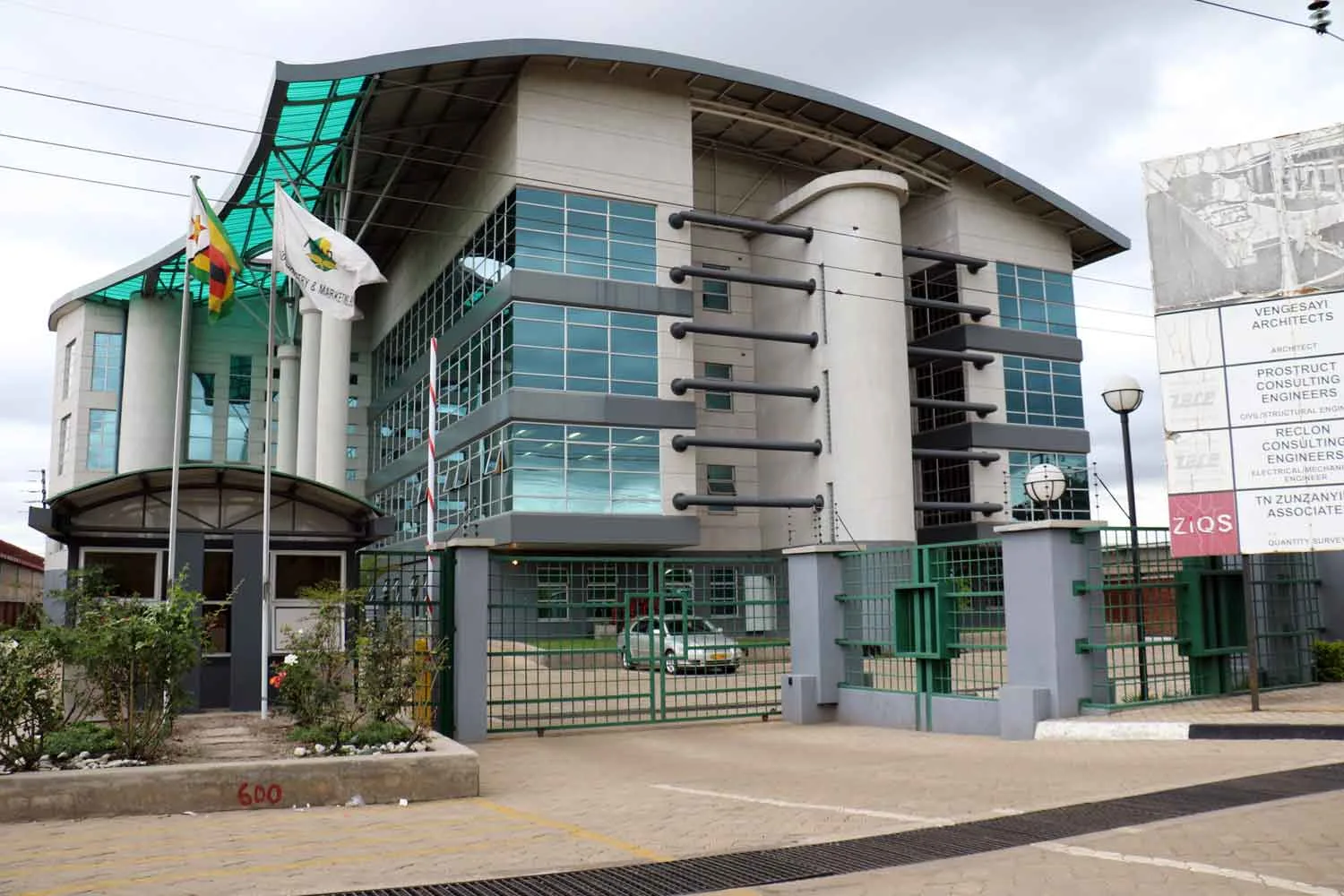
Harare, (New Ziana) — The Tobacco Industry and Marketing Board (TIMB) has urged farmers to use drought-tolerant crop varieties ahead of the forecast dry conditions in the upcoming 2026/27 season caused by the predicted Super El Nino weather.
In a statement, the Board said there are varieties that were developed for moisture stress and low rainfall environments which farmers could plant to get better yields.
“At farm level, growers will be required to adopt water harvesting, efficient irrigation, appropriate planting dates, mulching and drought-resilient varieties such as KRK71, KRK75, T78 to T81 linked to approved systems,” TIMB said.
“Drought-resilient varieties such as KRK71, KRK75, T78 to T81 have been developed to withstand moisture stress and are recommended as ideal under forecast Super El Nino conditions,” it said.
On uptake, TIMB said farmers must shift now.
“Growers are urged to take up drought-resilient varieties such as KRK71, KRK75, T78 to T81 and adopt water harvesting and efficient irrigation to survive the El Nino period,” TIMB said.
Zimbabwe produced a record 359.1 million kg of tobacco in 2026, according to statistics from TIMB.
“The 2026 record crop strengthens the economy, but expansion without discipline can intensify demand for curing fuel, pressure labour systems and increase compliance risks in export markets where global buyers are demanding traceability,” it said.
Kutsaga also recommended the same varieties as they are drought resistant, climate smart, tested and proven for dry areas, and they have been known that they do well in those kind of conditions.
But to the farmers who are irrigating, Kutsaga advised they could continue with their old varieties.
TIMB also warned that curing must move away from indigenous firewood as Zimbabwe loses between 260,000 and 330,000 hectares of forests annually, averaging 312,900 hectares per year between 1990 and 2000 and 327,000 hectares between 2000 and 2010, with about 262,000 hectares lost as of 2024.
“Coal may be used only as a controlled transitional fuel with a documented phase-down plan, while trials on LP gas and solar curing are underway with Kutsaga and GasCure to provide low-emission alternatives,” TIMB said.
“Zimbabwe’s tobacco sector has already proved it can deliver volume, now it must prove it can deliver volume responsibly and remain competitive in markets that demand sustainability,” it said.
New Ziana