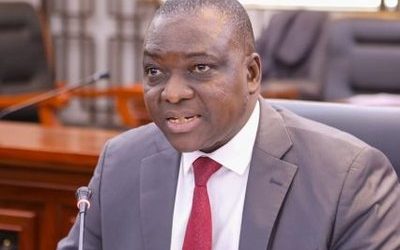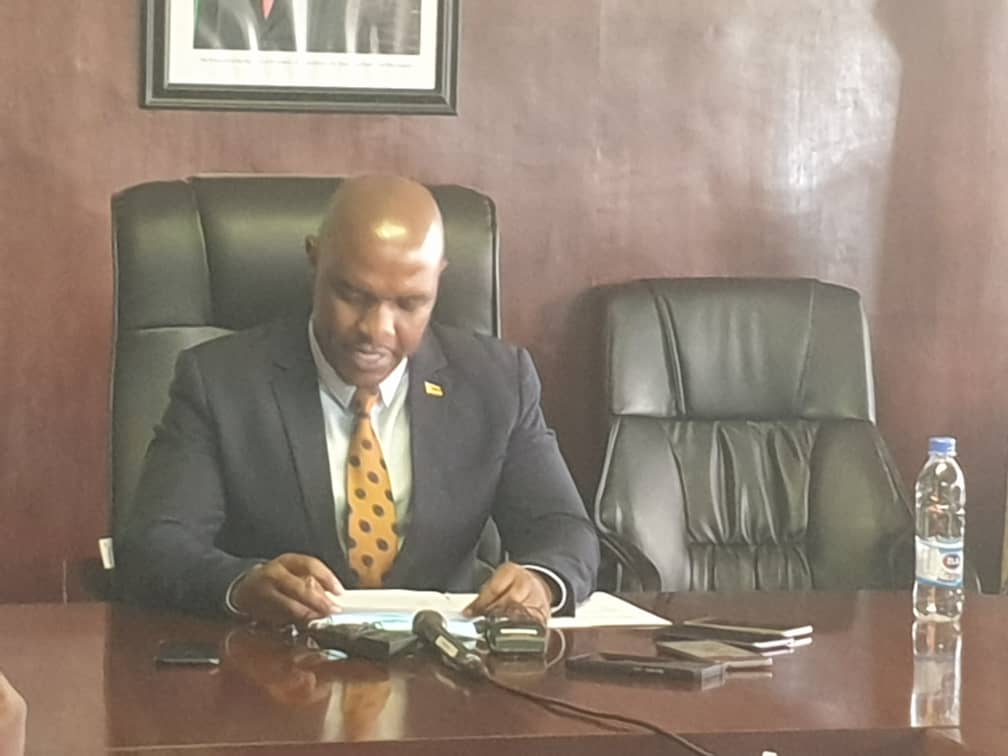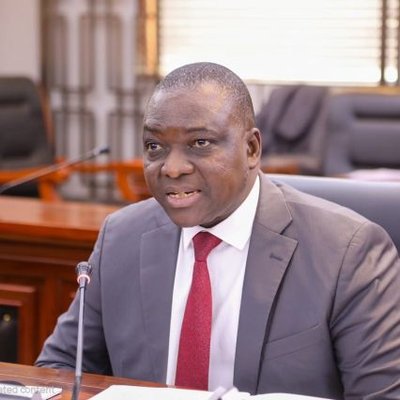
Bulawayo, (New Ziana) – The Zimbabwe Anti-Corruption Commission(ZACC) has called for establishment of stronger partnerships with regional and international anti-corruption bodies to effectively combat cross-border corruption.
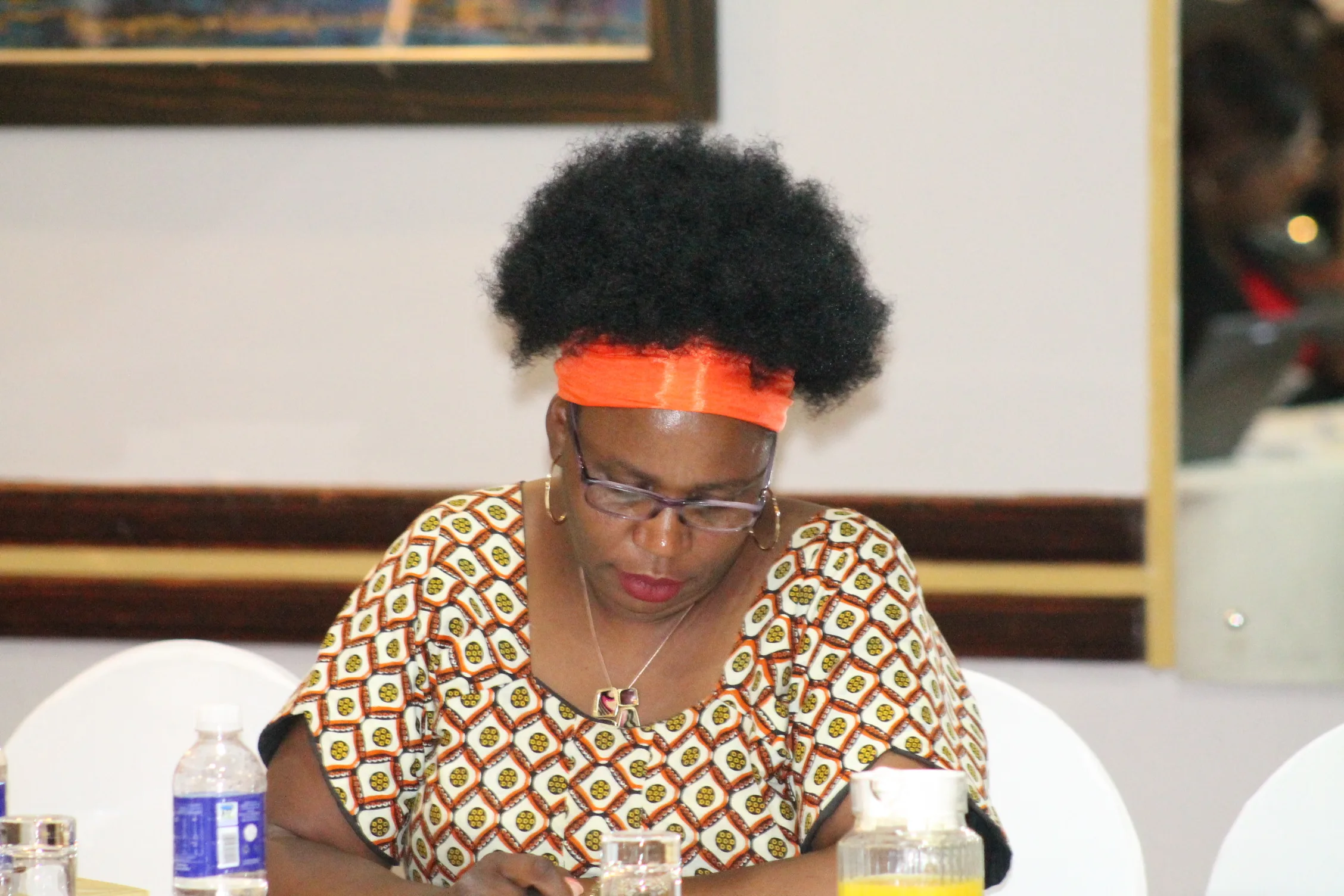
Commissioner Chido Madiwa, responsible for Prevention of Corruption and Corporate Governance, made the call on Tuesday while leading consultations for the Second National Anti-Corruption Strategy (NACS 2) in Bulawayo.
The Commission is developing its Second National Anti-Corruption Strategy, a five-year plan aimed at guiding the country’s efforts to combat graft. The new strategy follows the conclusion of the first National Anti-Corruption Strategy, which ran from 2020 to 2024.
ZACC, in collaboration with a consultant, is conducting inclusive consultations across all ten provinces to gather input from a wide range of stakeholders, including government officials, civil society organizations, the private sector, and the public.
These meetings, focus groups, and interviews are designed to identify current corruption risks, review lessons learned from NACS1, and align Zimbabwe’s anti-corruption approaches with the United Nations Convention Against Corruption
“Corruption increasingly operates across borders, requiring enhanced international cooperation to address effectively. As such, our NACS 2 should prioritise strengthening partnerships with regional and international anti-corruption bodies and law enforcement agencies. ”
Information sharing agreements will enable us to track proceeds that flow across the borders while receiving intelligence about international corruption networks operating within our territory,” she said.
Madiwa further indicated that regional cooperation mechanisms will address corruption challenges that affect multiple countries, particularly in areas such as procurement fraud, money laundering, and organised crime.
“Joint operations will target cross border corruption networks while sharing costs and risks among participating countries. Harmonised legal frameworks will facilitate extradition and mutual legal assistance processes,” she said.
The Commissioner pointed out that asset recovery efforts will benefit from stronger international partnerships that help the country trace, freeze and recover stolen assets hidden in foreign jurisdictions.
“Technical assistance navigating complex international legal processes will improve our success rate in major asset recovery cases. Removed assets will directly benefit citizens through funding of development projects and compensation of victims of corruption,” she said.
Madiwa also implored the private sector to move beyond compliance to active partnership in building ethical business environments. “Business associations, professional bodies, and individual companies have opportunities to demonstrate leadership by adopting strong internal controls, reporting suspicious activities, and refusing to participate in corrupt practices even when competitors do so,” she noted.
She highlighted that corruption is not merely a problem for government agencies to solve but a cancer that affects every aspect of national life. “Corruption is a cancer that affects every aspect of our national life, from the quality of health care to the safety of the roads we travel.
Every act of corruption, whether grand or petty, steals from our collective future and undermines the trust that holds our society together. “I therefore call upon every citizen to become an active participant in the fight against corruption,” she implored.
New Ziana