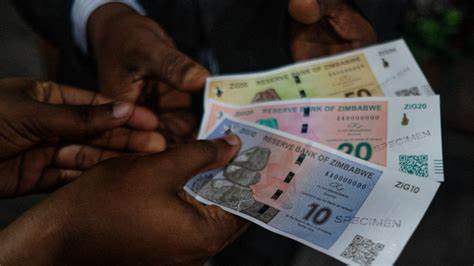
Harare, (New Ziana) – Zimbabwe’s annual ZiG inflation rate rose to 4.8 percent in April 2026, up from 4.4 percent recorded in March, as increases in fuel prices and transport costs continued to exert pressure on consumer prices, according to the Zimbabwe National Chamber of Commerce (ZNCC).
Latest figures from the business chamber’s weekly economic insights report also show that month-on-month inflation accelerated to 1.1 percent in April from 0.5 percent in March, reflecting a faster rise in the general price level during the period.
“Zimbabwe’s April 2026 ZiG inflation rose to 4.8 percent year-on-year, up from 4.4 percent in March, while month-on-month inflation climbed to 1.1% (from 0.5 percent).
The main drivers were fuel price hikes and transport costs, with food and non-alcoholic beverages also contributing. US dollar inflation mirrored this trend, rising to 2.2% annually,” said ZNCC.
The increase was largely driven by higher fuel prices, which subsequently pushed up transport costs across the economy, with food and non-alcoholic beverages also contributing significantly to the inflation uptick as prices of basic commodities continued to firm.
The rise in inflation was also noted in the United States dollar-denominated inflation figures, with annual US dollar inflation increasing to 2.2 percent during the month under review.
Despite the increase, inflation levels remain within government and market expectations, with authorities and analysts projecting that inflation will stay within single-digit territory in the medium term.
The relatively moderate inflation levels are expected to support economic stability and preserve consumer purchasing power, although continued monitoring of fuel and transport costs will remain critical as global energy market fluctuations persist.
ZNCC also noted that while the latest figures indicate renewed price pressures, the inflation trajectory remains significantly lower compared to previous periods of macroeconomic instability experienced in the country.
It said that maintaining exchange rate stability, prudent monetary policy, and adequate supply of basic commodities would be key in ensuring inflation remained contained for the rest of the year.
New ZianaHarare, May 12, 2026 (New Ziana) – Zimbabwe’s annual ZiG inflation rate rose to 4.8 percent in April 2026, up from 4.4 percent recorded in March, as increases in fuel prices and transport costs continued to exert pressure on consumer prices, according to the Zimbabwe National Chamber of Commerce (ZNCC).
Latest figures from the business chamber’s weekly economic insights report also show that month-on-month inflation accelerated to 1.1 percent in April from 0.5 percent in March, reflecting a faster rise in the general price level during the period.
“Zimbabwe’s April 2026 ZiG inflation rose to 4.8 percent year-on-year, up from 4.4 percent in March, while month-on-month inflation climbed to 1.1% (from 0.5 percent).
The main drivers were fuel price hikes and transport costs, with food and non-alcoholic beverages also contributing. US dollar inflation mirrored this trend, rising to 2.2% annually,” said ZNCC.
The increase was largely driven by higher fuel prices, which subsequently pushed up transport costs across the economy, with food and non-alcoholic beverages also contributing significantly to the inflation uptick as prices of basic commodities continued to firm.
The rise in inflation was also noted in the United States dollar-denominated inflation figures, with annual US dollar inflation increasing to 2.2 percent during the month under review.
Despite the increase, inflation levels remain within government and market expectations, with authorities and analysts projecting that inflation will stay within single-digit territory in the medium term.
The relatively moderate inflation levels are expected to support economic stability and preserve consumer purchasing power, although continued monitoring of fuel and transport costs will remain critical as global energy market fluctuations persist.
ZNCC also noted that while the latest figures indicate renewed price pressures, the inflation trajectory remains significantly lower compared to previous periods of macroeconomic instability experienced in the country.
It said that maintaining exchange rate stability, prudent monetary policy, and adequate supply of basic commodities would be key in ensuring inflation remained contained for the rest of the year.
New Ziana