Harare, (New Ziana) – Zimbabwe continues to cement its position as a strategic player in energy sector in the region, serving as a critical electricity trading hub and transmission corridor within the Southern African Power Pool (SAPP).
The Minister of Energy and Power Development July Moyo said this on the sidelines of the St Petersburg International Economic Forum (SPIEF) 2026, an annual gathering often described as the “Russian Davos.”
In a statement on the National Development Strategy 2 (NDS2) X handle, the government said Moyo underscored the growing importance of Zimbabwe in facilitating the movement of electricity across the region, a role that is assisting to strengthen regional energy integration and cooperation.
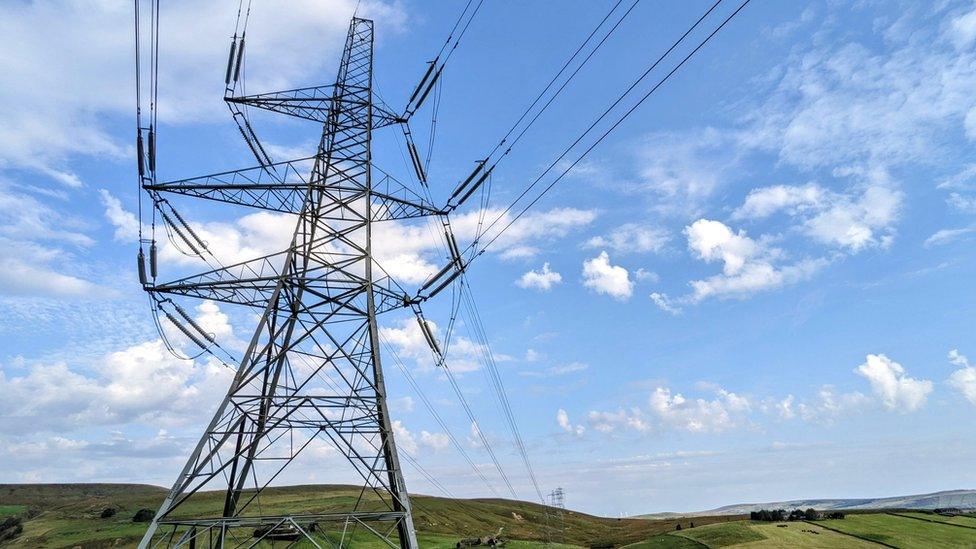
Moyo said the central geographical location of the country places it at the heart of the regional power transmission network, enabling it to connect electricity systems between the northern and southern parts of the region.
He said the strategic positioning has made Zimbabwe a crucial transit route for cross-border electricity trade among SAPP member states.
Through its extensive transmission infrastructure and active participation in the regional power pool, Moyo said Zimbabwe plays a vital role in enhancing energy security by assisting to balance electricity supply and demand across the region.
The country also contributes to improving the efficiency of the regional electricity market, allowing member states to access power more reliably and cost-effectively, he said.
Energy experts note that the country’s role extends beyond merely transmitting electricity, since by facilitating regional power exchanges, Zimbabwe supports economic growth, industrial development and greater regional integration, which are key objectives for Southern African countries seeking to accelerate development.
As countries across the region increase investments in renewable energy projects and pursue greater energy connectivity, Zimbabwe’s significance as a regional energy gateway is expected to grow further.
Enhanced interconnection of national power grids is anticipated to improve power reliability, reduce energy shortages and strengthen resilience against supply disruptions.
Zimbabwe’s contribution to regional electricity trading aligns with broader efforts by Southern African countries to create a more integrated and sustainable energy market capable of meeting rising demand while supporting economic transformation.
The country’s strategic role in facilitating cross-border electricity trade, strengthening regional energy security, connecting multiple national grids and supporting economic integration continues to position it as one of the cornerstones of Southern Africa’s evolving energy landscape.