
HARARE, (New Ziana)—The inaugural session of the Joint Permanent Commission on Cooperation (JPCC) between Zimbabwe and Equatorial Guinea opened on Thursday with officials from the two countries committing to strengthen economic, educational and strategic cooperation.
The meeting comes ahead of a state visit by the Equatorial Guinea President scheduled for the weekend, which both sides said underlines the importance attached to the partnership.
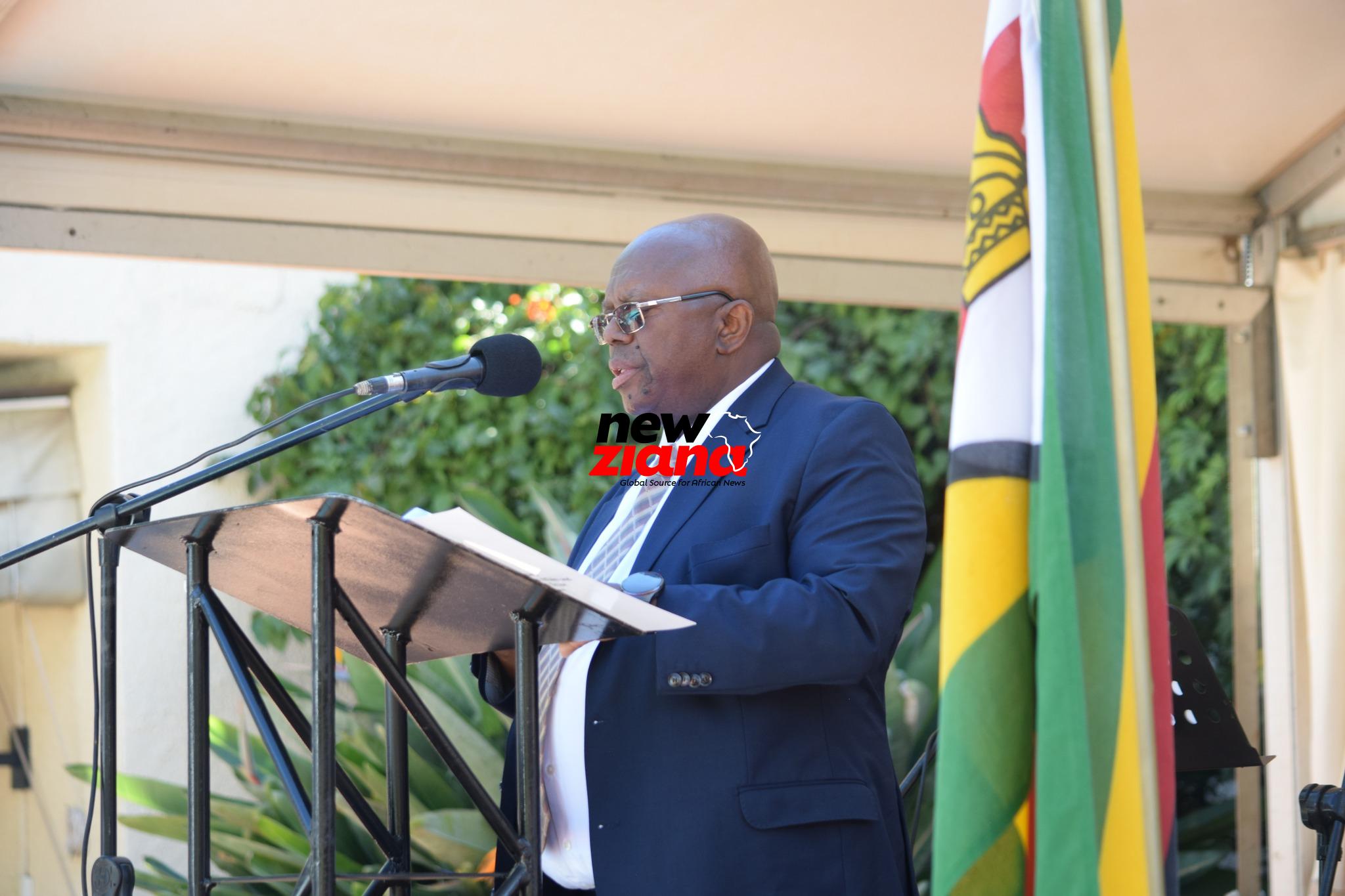
In his opening remarks, the permanent secretary for Foreign Affairs and International Trade, Albert Chimbindi, who was represented by Ministry chief director for political affairs Pearson Chigiji, described the meeting as a landmark moment in relations between the two “brotherly countries.
He said the convening of the JPCC demonstrated a shared commitment to expanding bilateral engagement.
”It is my privilege and honour to welcome you, co-chair and your esteemed delegation to Zimbabwe, and to this inaugural session of the Joint Government Commission on Cooperation between our two brotherly countries,” he said.
Chigiji noted that relations between Harare and Malabo continue to be “on a positive trajectory,” with the JPCC expected to provide a formal platform for dialogue, coordination and implementation of joint initiatives across multiple sectors.
Chimbindi highlighted cooperation in energy, wildlife conservation and management, as well as defense and security, describing these sectors as pillars of the growing relationship.
He also expressed gratitude for fuel assistance extended by Equatorial Guinea during a period when Harare was facing severe economic challenges linked to sanctions imposed by Western nations.
”We in Zimbabwe shall remain grateful to our brothers and sisters in the Republic of Equatorial Guinea for that invaluable support during our time of need,” he said.
The scholarship program between the two countries also received praise, with Chimbindi reporting that more than 100 Equatorial Guinean students have completed tertiary studies at Zimbabwean institutions and returned home.
He acknowledged that the program initially faced implementation challenges, but said most of the difficulties had since been resolved.
Chimbindi further proposed expanding educational cooperation beyond university scholarships to include the training of primary and secondary school teachers.
Speaking at the same event Equatorial Guinea general secretary of Foreign Affairs Matias Nguema Mba Medga said the convening of the first Joint Commission was not merely symbolic, but reflected the political commitment of the two Heads of State to build a strategic alliance grounded in mutual trust and South-South cooperation.
He highlighted the vision of President Teodoro Obiang Nguema Mbasogo of Equatorial Guinea and President Emmerson Mnangagwa, saying both leaders had facilitated the first bilateral session with the aim of creating shared benefits and improving the living standards of their citizens.
Medga emphasized common positions held by the two countries on the protection of national sovereignty and independence, sustainable development, respect for human dignity, and the right of nations to maintain peaceful relations and cooperation.
The Joint Commission is expected to serve as the principal mechanism for monitoring and evaluating bilateral cooperation projects and agreements signed between the two countries.
Delegates are scheduled to review progress made in recent years following the signing of several legal instruments covering multiple sectors with discussions also expected to focus on strategies to make cooperation more productive and results-oriented.
Key sectors on the agenda include diplomatic and political affairs, agriculture and fisheries, education, trade and commerce, tourism, and mining.
The talks will also address ongoing technical negotiations on restructuring Zimbabwe’s sovereign debt obligations to Equatorial Guinea, with both sides seeking what officials described as a “mutually satisfactory solution.”
Officials said the commission would assist in defining priorities for future cooperation while responding to growing socio-economic, peace and security challenges affecting developing nations.
The meeting is expected to conclude with resolutions and frameworks aimed at expanding bilateral cooperation in the coming years.
New Ziana